Key takeaways
- Since March 1, 2025, France taxes drinks with added sugar in three tiers: under 5 g, 5 to 8 g, and over 8 g per 100 ml.
- In 2026, the top tier costs €35.63/hl versus €4.07/hl for the lowest tier.
- Since January 1, 2026, drinks with synthetic sweeteners pay €4.50 to €6/hl. Steviol glycosides (E960) are not considered synthetic sweeteners.
- Added sugar is still taxed, even when a drink contains stevia.
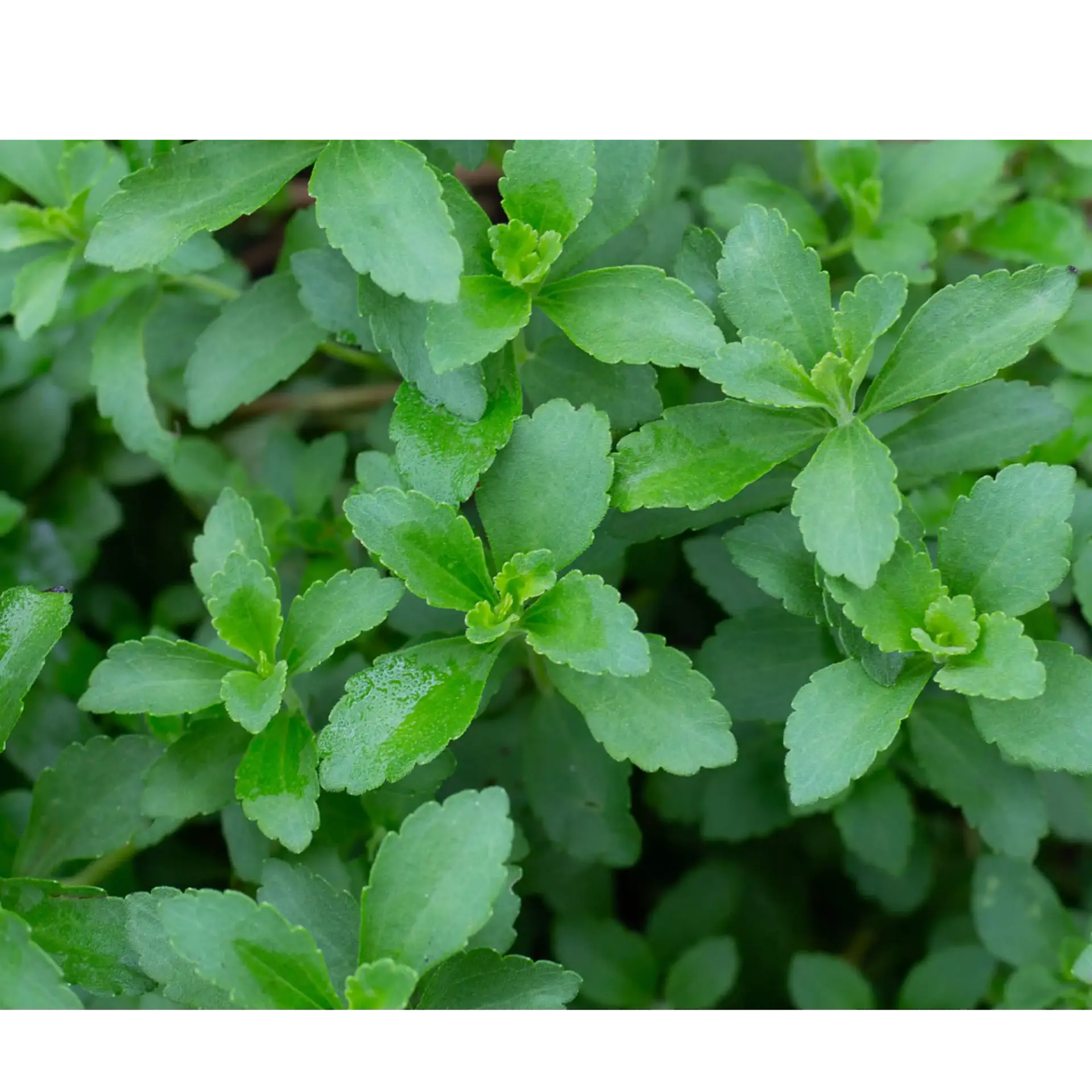
- Fermented Stevia Leaf is an organic option for partial sugar replacement, to be compared with conventional stevia extract in trials on taste, stability in the beverage, and its status as a botanical ingredient rather than a sweetener.
French beverage manufacturers now pay a tax that rises sharply with each gram of added sugar.
Many brands are reformulating to move below the 8 g or 5 g per 100 ml thresholds, and they are looking for a stevia extract supplier or another sweetening solution that keeps the taste right. This article explains the rates, the sweetener rules, and how to evaluate your options.
How France's tax on sugary drinks works in 2026
The contribution on drinks with added sugar (article 1613 ter of the French General Tax Code, CGI) applies since March 1, 2025. The rate depends on the added sugar content per hectolitre. Rates are indexed to inflation every January 1. Source: BOFiP rate schedule of December 24, 2025.
| Added sugar per 100 ml (kg/hl) | 2026 tax per hectolitre |
|---|---|
| Under 5 g | €4.07 |
| 5 g to 8 g inclusive | €21.38 |
| Over 8 g | €35.63 |
What crossing a threshold is worth
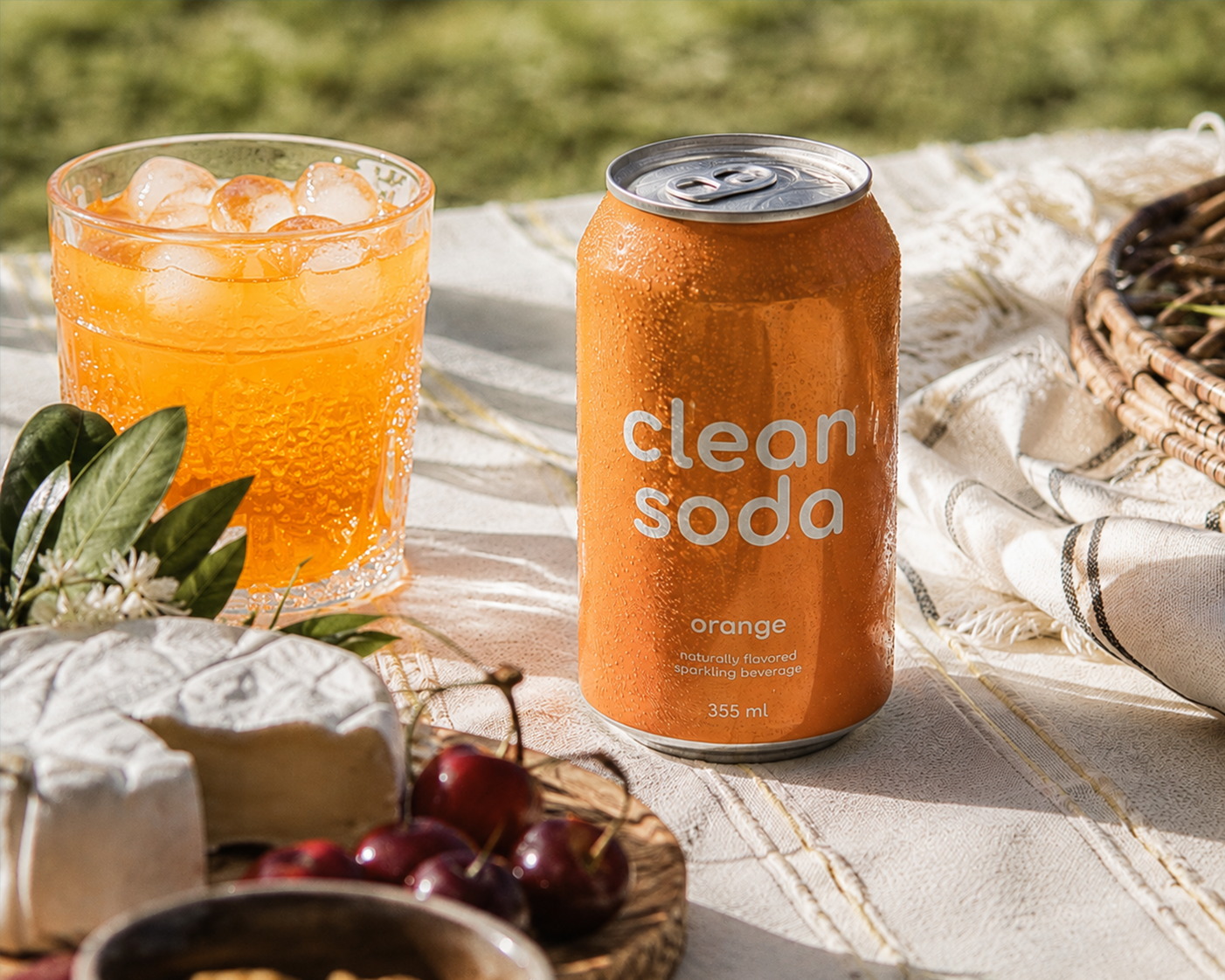
Example: a manufacturer selling 10 million 355 ml cans a year (35,500 hl) that moves from 7 g to 4 g of added sugar per 100 ml goes from €21.38 to €4.07 per hectolitre. That is about €614,000 less tax per year. (Illustrative calculation based on 2026 rates.)
The synthetic sweetener tax, and where stevia stands
Since January 1, 2026, drinks containing synthetic sweeteners pay €4.50/hl up to 120 mg/l and €6/hl above (article 1613 quater CGI). Rates will be indexed from January 1, 2027. The French tax administration states that steviol glycosides extracted from the stevia plant (E960) are not "synthetic" sweeteners (BOFiP BOI-TCA-BNA-20, § 100). French customs reached the same conclusion in 2014 (customs circular F3 14-039). Important: this applies to every stevia extract supplier, not only one. And stevia does not remove the sugar tax: any added sugar left in the drink is still taxed under article 1613 ter.
What's next: the 2027 social security budget
The 2027 social security finance bill (PLFSS 2027) included an article extending these taxes to biscuits, cereals, confectionery, chocolate and ice cream. On October 22, 2026, deputies removed it, 86 votes to 58 (Europe 1). The Senate has yet to examine the text. For beverages, the current rates stay in place, with yearly indexation.
Which beverages have the most to gain from reformulation
- Traditional sodas, lemonades and carbonated soft drinks above 8 g of added sugar per 100 ml.
- Iced teas and fruit drinks between 5 and 8 g per 100 ml.
- New reduced-sugar ranges and line extensions.
Industrial reformulation takes time. Many French manufacturers are still testing recipes in 2026 and 2027, which is the right moment to evaluate new ingredients.
Options for reducing sugar in beverages
- Conventional stevia extract: not a synthetic sweetener under French tax doctrine; can bring a bitter or lingering aftertaste (see how to reduce stevia aftertaste).
- Synthetic sweeteners: subject to the 2026 sweetener tax.
- Sugar and natural sweetener blends: keep some added sugar, which is still taxed.
- Fermented stevia leaf: an organic ingredient made from the whole leaf, used for partial sugar replacement.
Why evaluate Fermented Stevia Leaf
Kefiplant's Fermented Stevia Leaf is made with our symbiotic fermentation process, developed over more than 20 years. Evaluate it on three points, in comparative trials against your current solution:
- Taste: a round, clean taste in the mouth, without the bitterness or aftertaste often associated with conventional stevia.
- Stability in your beverage: a smooth integration into your recipes (carbonated drinks, iced teas, juices), without flavour drift or texture change.
- A botanical ingredient, not a sweetener: made by fermenting the whole leaf, Fermented Stevia Leaf is not a purified or synthetic sweetener. It fits a clean-label approach while keeping a simple, natural ingredient list.
Fermented Stevia Leaf is certified organic (Pro-Cert) and produced with a fermentation capacity of 12 million litres per year. Our in-house R&D team supports your trials, and Kefiplant received the CTAQ 2025 and DUX 2026 awards. Explore our sugar reduction solutions.