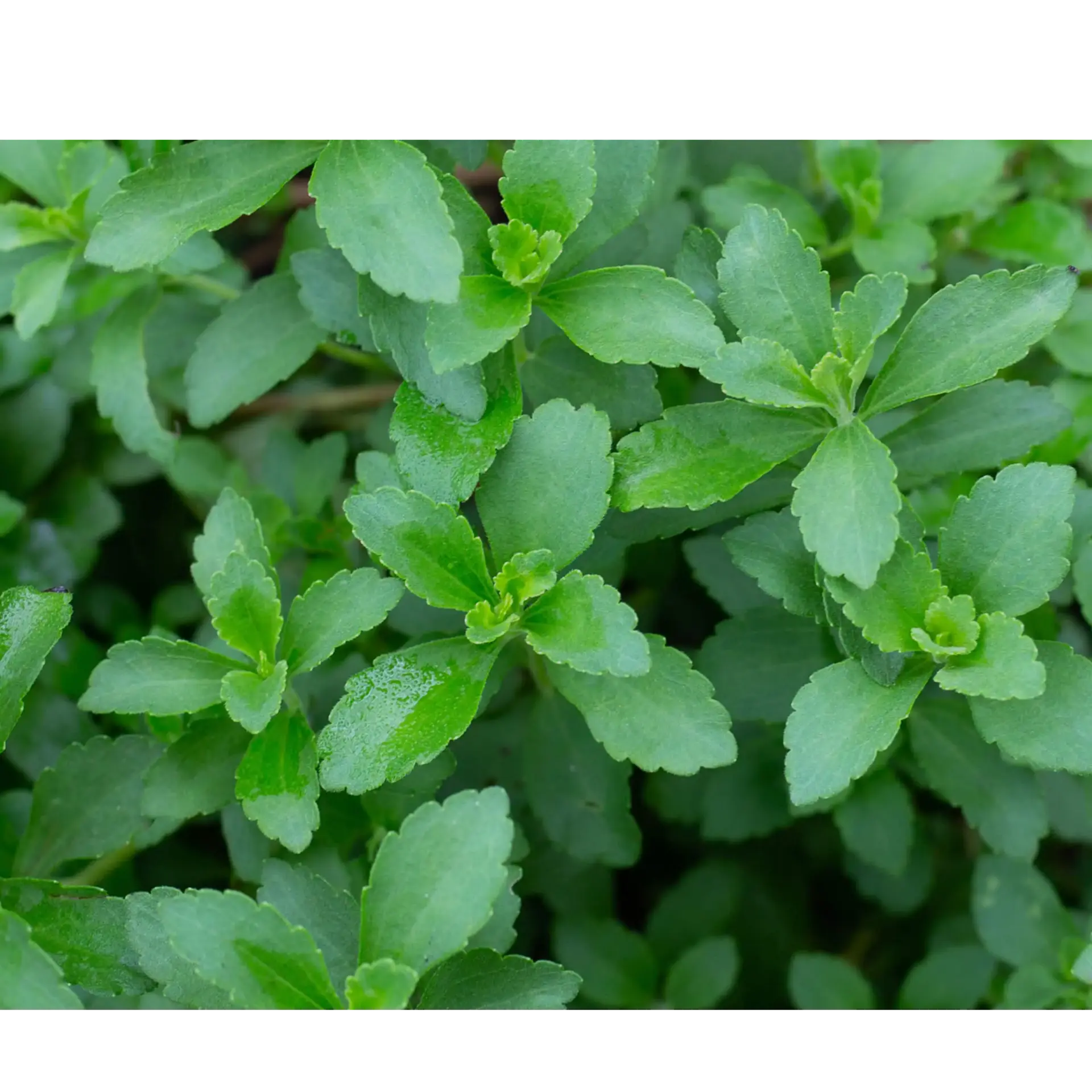
Stevia is a popular natural sugar alternative, but its bitter or lingering aftertaste remains a challenge for beverage manufacturers.
While conventional stevia extracts can leave unwanted bitter or licorice-like notes, Kefiplant's Fermented Stevia Leaf delivers balanced sweetness without the typical stevia aftertaste.
So, how can beverage manufacturers reduce sugar without compromising taste? Let's explore three formulation approaches.
Why Does Stevia Have a Bitter Aftertaste?
Stevia extracts contain naturally occurring sweet compounds called steviol glycosides. While these compounds provide intense sweetness without added sugar, some can produce bitterness, licorice-like notes, or lingering sweetness. The intensity of these characteristics depends on the type of stevia extract, its concentration, and the beverage's overall formulation. For example, Reb A, a commonly used stevia extract, generally has a more noticeable bitter aftertaste than alternatives such as Reb M or Reb D.
3 Ways to Reduce Stevia Aftertaste
1. Choose a Different Stevia Extract
Not all stevia extracts taste the same. Reb M and Reb D generally offer a cleaner sweetness profile than traditional Reb A. However, switching extracts doesn't always eliminate lingering sweetness, and cost or formulation constraints may influence ingredient selection.
2. Balance Sweetness and Flavor
Stevia aftertaste isn't just about the sweetener itself. Acidity, flavor intensity, and other ingredients can influence how bitterness and sweetness are perceived. Adjusting sweetener concentration or combining complementary ingredients can help create a more balanced beverage.
3. Explore Fermented Stevia Leaf — Without the Typical Aftertaste
Unlike conventional stevia extracts, Kefiplant's Fermented Stevia Leaf delivers balanced sweetness without the characteristic bitter or lingering aftertaste associated with traditional stevia sweeteners. Through Kefiplant's fermentation process, whole stevia leaves are transformed into a botanical ingredient with a distinct sensory profile. For beverage manufacturers, this offers a different approach to sugar reduction and sweetener replacement, particularly when conventional stevia extracts create unwanted flavor notes.
Fermented Stevia vs. Conventional Stevia Extract
Although both originate from the stevia plant, they are not the same ingredient.
| Conventional Stevia Extract | Kefiplant's Fermented Stevia Leaf |
|---|---|
| Concentrated steviol glycosides | Fermented whole-leaf ingredient |
| High-intensity sweetness | Balanced sweetness profile |
| May produce bitter or lingering aftertaste | No typical stevia aftertaste |
| Primarily used as a sweetener | Alternative approach to sugar reduction |
At Kefiplant, our Fermented Stevia Leaf is developed through botanical fermentation for food and beverage manufacturers seeking a natural sugar alternative with a more balanced sensory profile.
Unlike conventional stevia extracts, it is not simply a concentrated high-intensity sweetener. Its contribution to sweetness and flavor should be evaluated within the finished beverage formulation.
A Different Approach to Sugar Reduction
From functional sodas and kombucha to ready-to-drink teas and wellness beverages, reducing sugar while maintaining great taste remains a key formulation challenge. With over 20 years of fermentation expertise, Kefiplant develops fermented botanical ingredients that help manufacturers explore new approaches to formulation.
Our Fermented Stevia Leaf offers balanced sweetness without the typical stevia aftertaste, making it an interesting option for brands seeking sugar reduction, sweetener replacement, and improved flavor balance. Looking for a natural sugar alternative without the typical stevia aftertaste? Discover how Kefiplant's Fermented Stevia Leaf could fit into your next beverage formulation: Explore Fermented Stevia Leaf or Request Samples.